I make a living restoring ecosystems. Here’s what that’s like.
California has a thriving ecosystem restoration industry. People here care about their environment. That has allowed governments to strengthen environmental regulation, incorporate nature into planning, and fund restoration projects.
In San Diego, I’m a project manager at a firm providing ecosystem restoration as a service. Through our work, we create better access to nature close to communities, we help reduce the economic burden of invasive species, we make our home more resilient to the effects of climate change, and we bring native species back from the brink of extinction.
What’s an ecosystem?
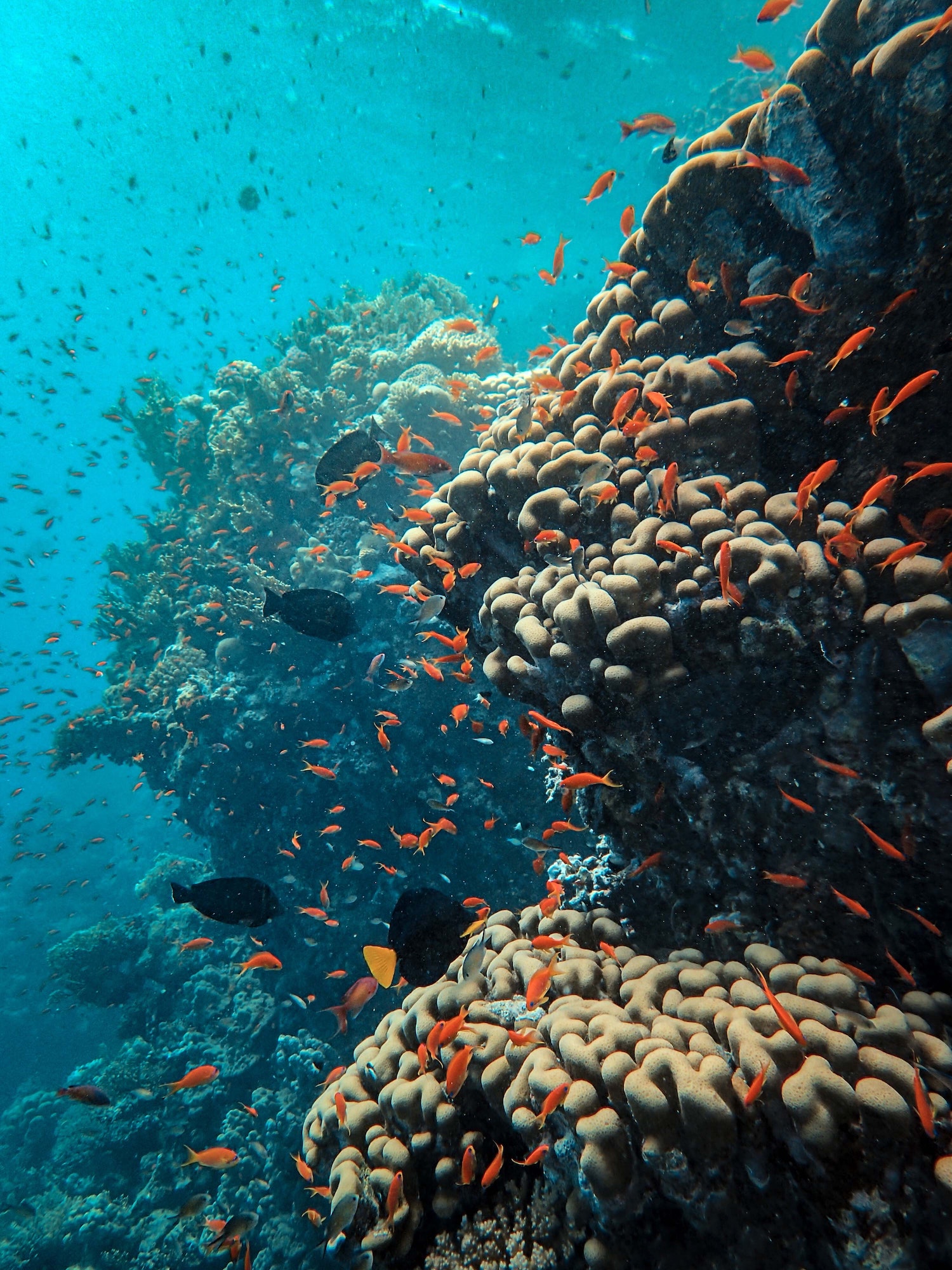
Let’s imagine a reef. All kinds of plants and animals live along the reef, where they find shelter and food. There are fish and rays, octopuses and turtles. There are little creatures such as crabs and nudibranchs hiding in algae and eelgrass. There’s coral, which is an animal with a plant inside it. There are also non-living components like water, rock and sand. And there are non-living processes, like currents, weather, temperature, and tides. The reef’s ecosystem is all of these living and non-living things, plus the constant flow of energy, nutrients, and information that connects them all to each other.
Humans impact ecosystems all the time. It’s not ideal. In California, thankfully, there’s a decision-making process that helps guide those impacts towards the least harmful option, and then ensures that those lesser impacts are compensated for. I’ll share more on policy later. First, though, let’s do a little more biology.
California’s unique ecologies
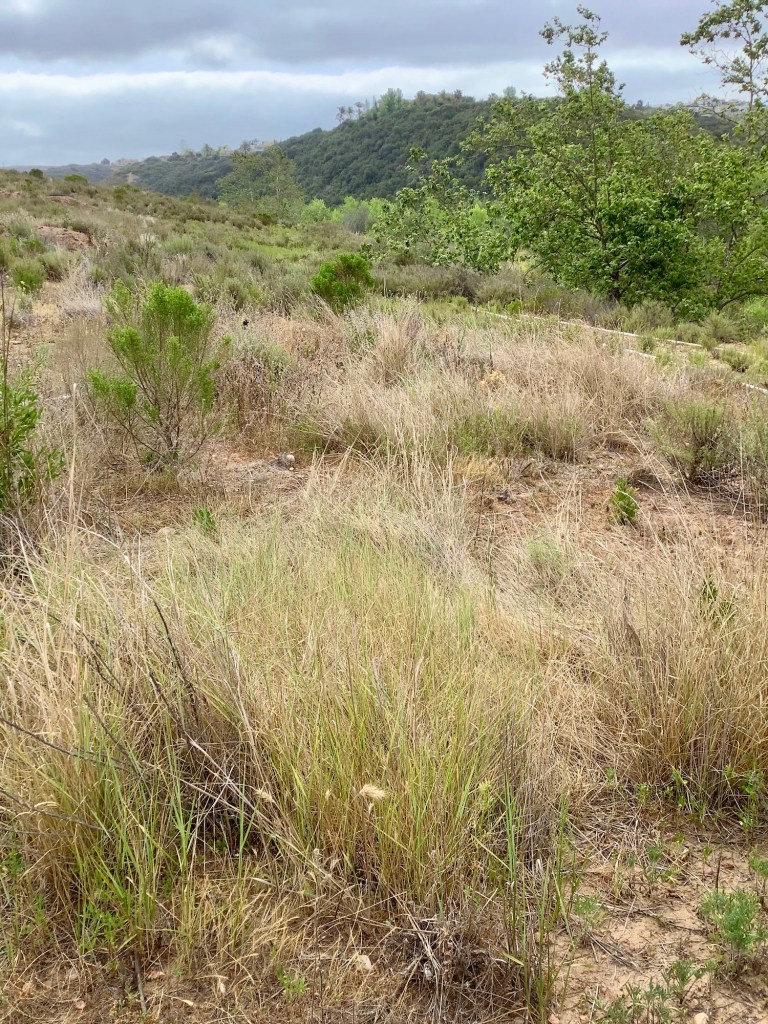
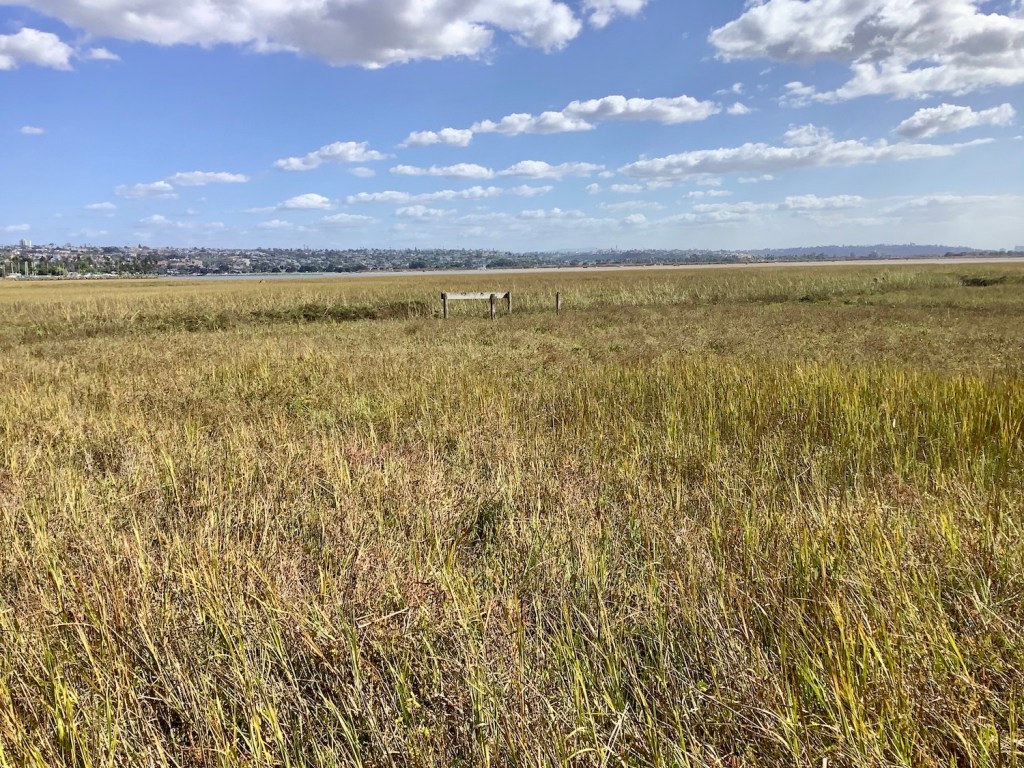
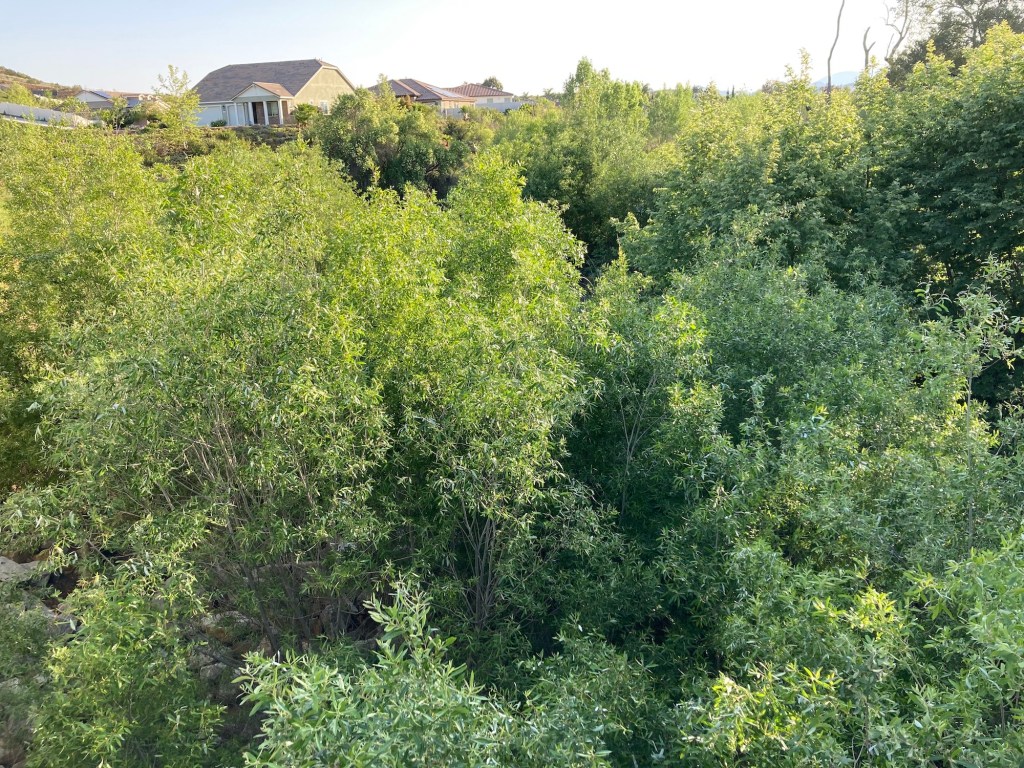
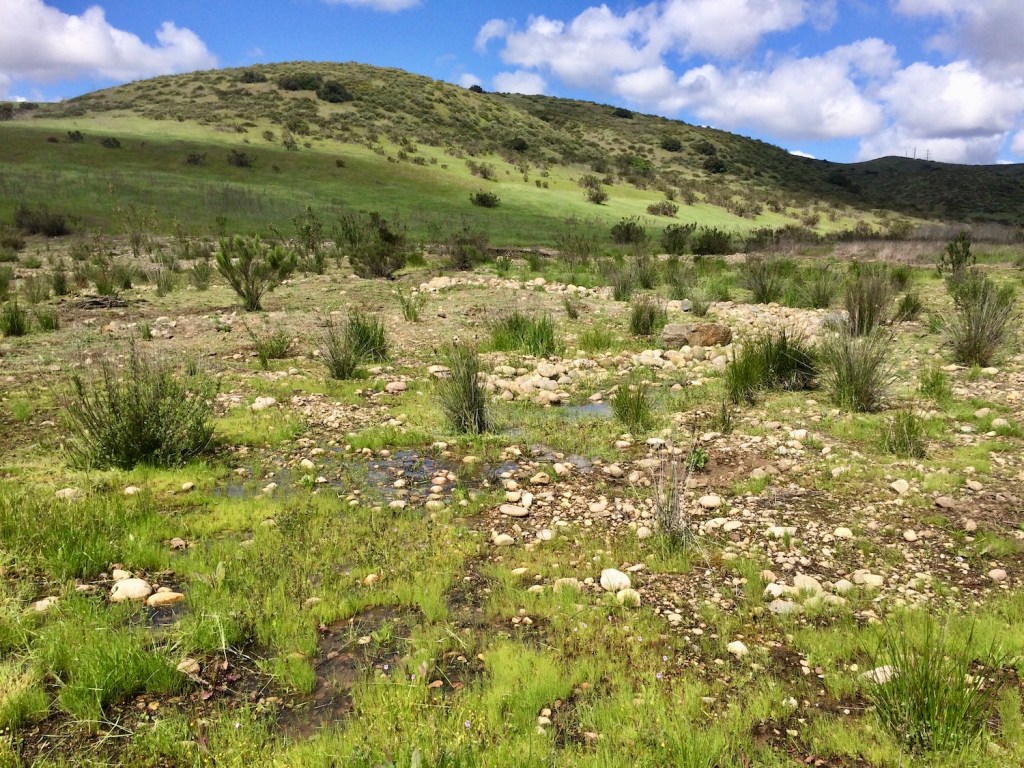
I haven’t yet restored a reef. But California has many other unique ecosystems that I do get to work with. At my company, these are some of the ones we restore:
- Shrubland and scrub ecosystems such as coastal sage scrub and chaparral
- Riparian areas, meaning in and along rivers
- Woodlands
- Fresh water wetlands
- Coastal wetlands and salt marshes
- Vernal pools, a unique San Diego wetland ecosystem
- Native grasslands
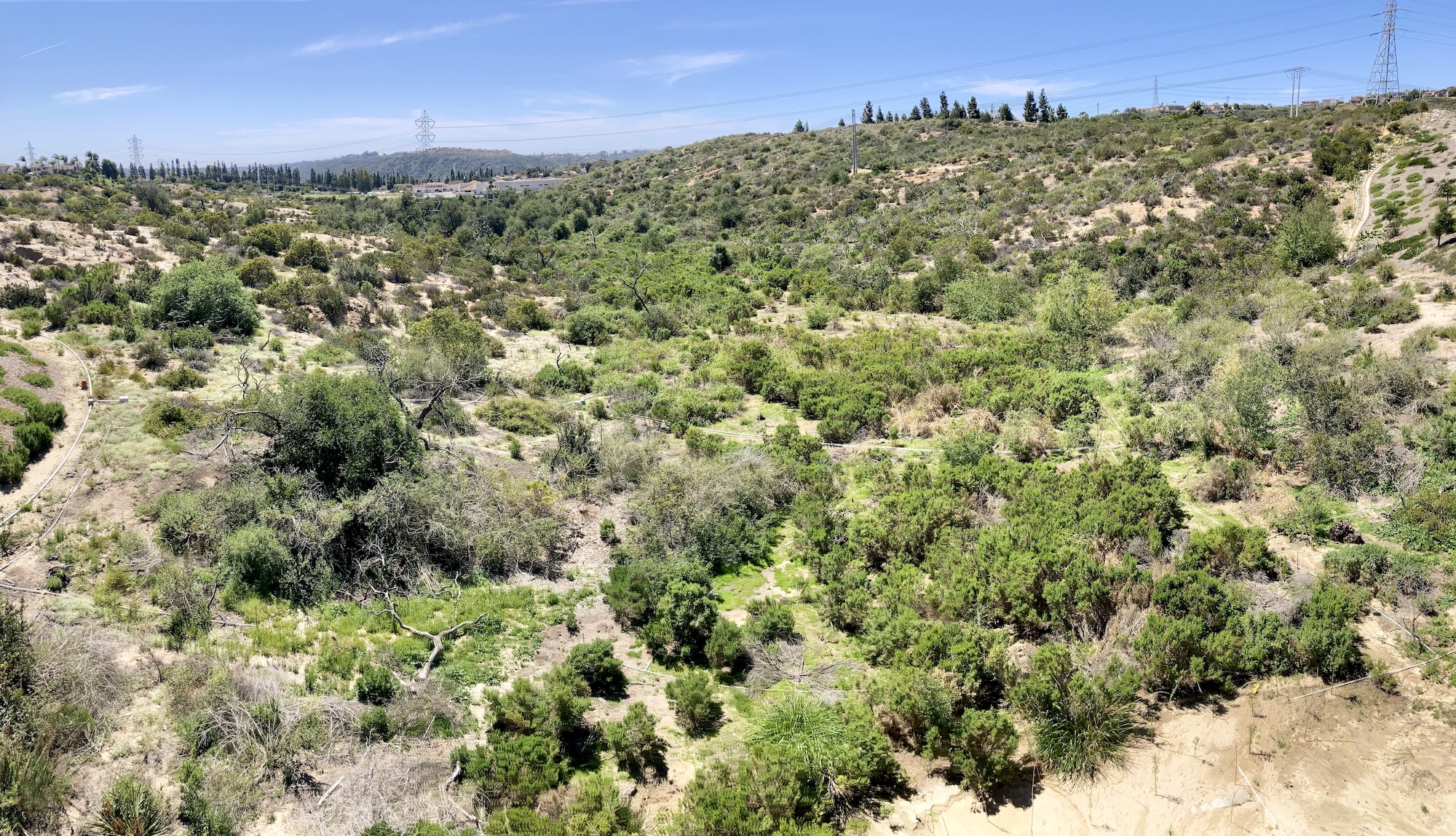
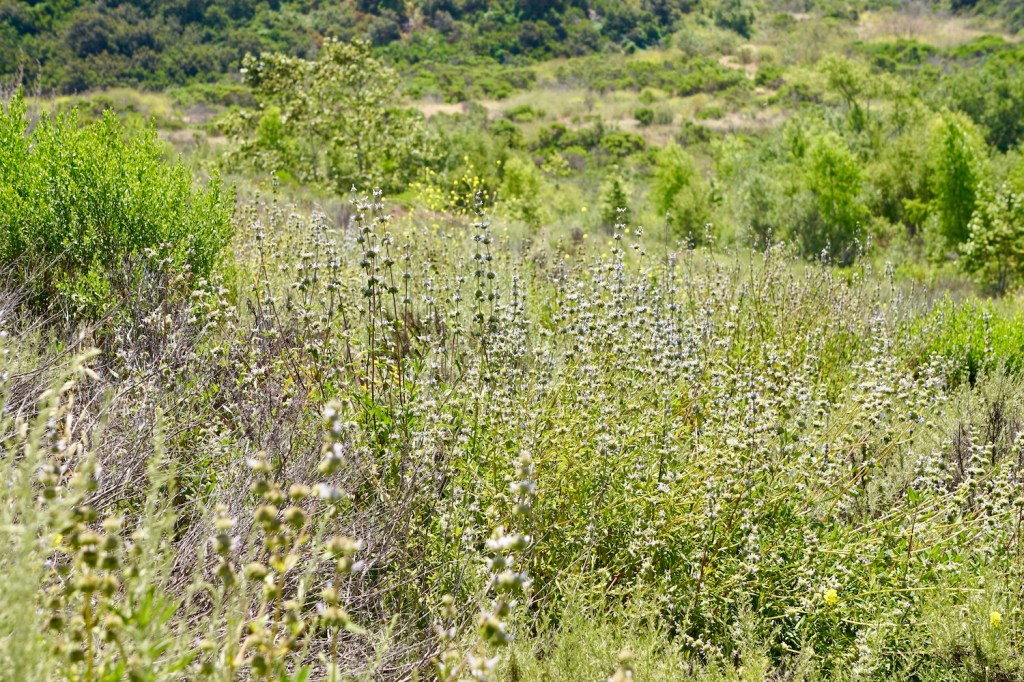
Here are the same ecosystems, in photos:

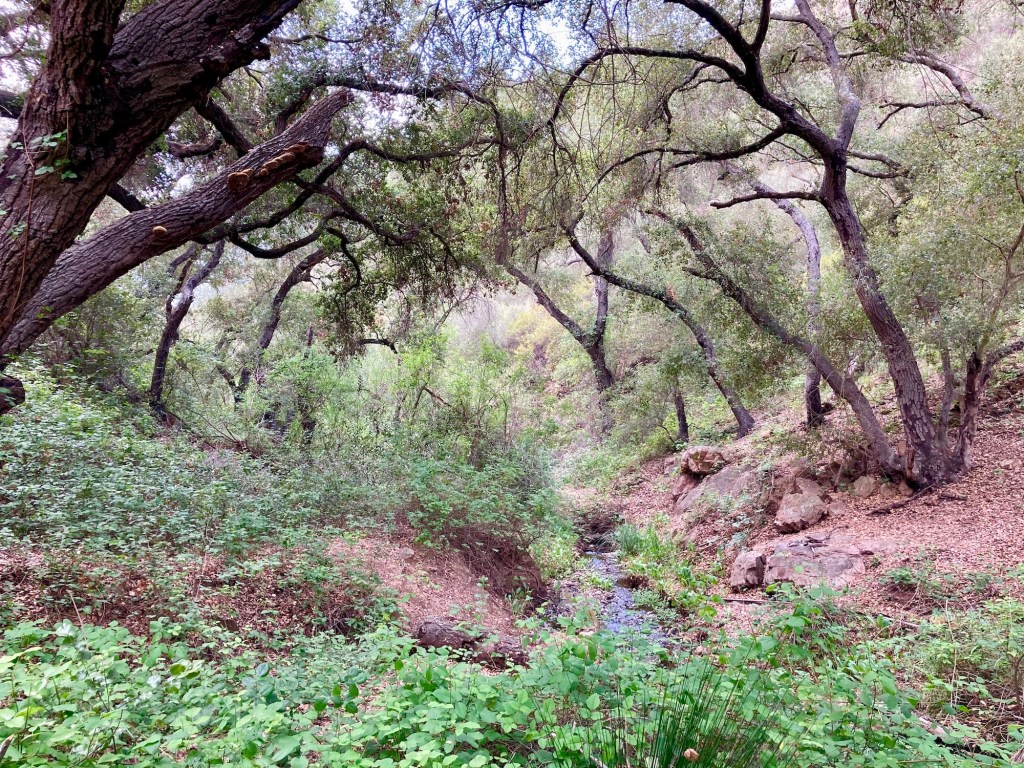
My clients need ecosystem restoration services for two main reasons:
- To offset impacts to natural resources by creating more of those resources. This is usually referred to as mitigation.
- Because restoration is part of a community or organisational goal. For example, citizens may have asked their government to restore public lands; a resource agency may be funding habitat improvements for an endangered species; or a non-profit may have acquired land with degraded ecosystems that it wants to fix and then protect.
Here are examples of projects:
- Example Project 1: Restoring 43 acres of shrub and woodland vegetation to mitigate for development impacts. I presented this project at the California Society for Ecological Restoration’s annual conference in May and the slides are posted here.
- Example Project 2: A developer has committed to giving to the City roughly 600 acres of unbuilt, open-space land surrounding their new community. These private lands will become public, with a formalized trail system through varied terrain and multiple native habitats. I am overseeing an extensive clean-up effort, ridding the open-space of dense stands of invasive species and old dump sites.
- Example Project 3: Unbuilt land next to new homes is being used to mitigate for construction impacts to several sensitive resources. Because the land was previously cleared of native vegetation for ranching then left unmanaged for many years, it is degraded and dominated by invasive species. That makes it a perfect place for mitigation; we have transformed parts of it into a wetland, into natural drainages, into a new vernal pool complex, and into native scrub, some of which now hosts sensitive plants that were moved out of the way of the construction.
- Example Project 4: A government department knows it will have to impact wetlands in the future when it repairs ageing storm water infrastructure. In anticipation of those impacts, it is restoring a large, degraded wetland to high-quality habitat. The government will use credits from this restoration site as compensation each time it makes impacts. We prepare the restoration plan.
- Example Project 5: The County has received funding to restore portions of a large, public preserve. The project will formalize the preserve’s trail system by improving desired trails and closing unwanted ones. We will be using restoration methods to dissuade hikers from using the closed trails and help native plants reclaim them.
- Example Project 6: Through a different type of mitigation mechanism, the City is funding restoration in one of San Diego’s last remaining coastal salt marshes. I prepared the restoration plan and will now oversee project implementation. Marsh restoration will include removing decades-old construction debris, clearing invasive species, and preparing the marsh to migrate uphill as sea level rises.
Restoration for the purpose of mitigation is not all I do, but as you can see, it is a large piece of my work. That often disappoints people. I get it. The general public has idealized notions of restoration as public or non-profit projects done voluntarily to recoup nature where it has already been lost. By contrast, restoration funded by development to counterbalance new impacts to nature probably seems tainted. It shouldn’t. I derive a lot of hope knowing that so much mitigation is happening. In most parts of the world, including elsewhere in America, mitigation is not a given. And if it does happen, it is likely less robust. Maybe that’s all right in places where the rate of environmental impact is slower and the natural resources more abundant. But here in San Diego we have high population and industry growth putting huge pressure on rare and fragile natural resources.
Those natural resources are rare and fragile because the land they once occupied was converted for farming, housing, and military uses decades ago, before the advent of environmental regulation. Much of San Diego’s undeveloped land is degraded from grazing, tilling, and military training. People have dumped old furniture and debris into tucked away canyons. Off-roaders and cyclists have made trails causing erosion and weeds to enter yet untouched areas. Today, when we provide mitigation for new impacts, the outcome is always a restored site far superior in quality, and often greater in quantity, than what is being newly impacted. Through mitigation, we compensate for losses today, and gain back some of what was lost decades ago.
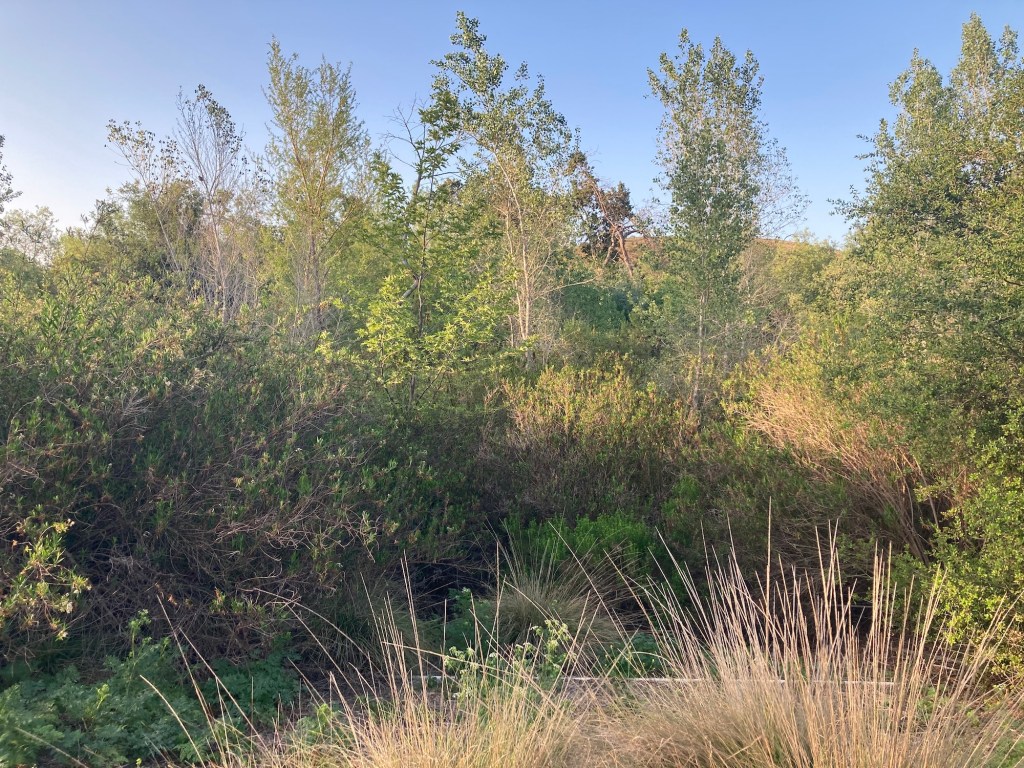
Let’s look at a mitigation project from start to finish.
- Step 1: A developer wants to build a new housing community on their land. To get the project approved for construction, they commission an environmental study to find out if the project will impact natural resources and which ones. They hire an environmental consultant, us let’s say, and we head to the field to survey.
- Step 2: We prepare a report with our survey findings. If we determine that there will be impacts to natural resources under the current design, then the report must describe the impacts and provide detailed plans for how to mitigate for each impact. The mitigation plans are based on established environmental regulations and are approved by different resource agencies (more on agencies below).
- Step 3: After several rounds of comments and revisions to the report and the mitigation plans, the agencies and local governments are satisfied and approve the project by issuing permits to impact the resources they preside over. The developer breaks ground.
- Step 4: Biologists monitor the construction to ensure that no additional species or resources are impacted than what was permitted. At the same time, the mitigation project begins to be implemented. If work is not started on the mitigation soon after the construction begins then more mitigation may be required.
- Step 5: Work gets underway to create a new ecosystem. If we are making wetlands or streams, that may involve grading new contours with light equipment. Invasive species and trash are removed. The bare ground is stabilised to prevent erosion. An irrigation system may be built. Then plants and seed are installed. With permission, soil containing rare plants and animals from nearby existing vernal pools are transferred into newly created pools. We certify that the project was correctly implemented by demonstrating that the plants have survived after a 4-month period.
- Step 6: Now begin several years of maintenance and monitoring. Regular maintenance helps native species take hold and prevents the site from returning to its pre-implementation, ecologically degraded state. A biologist routinely visits the site to check on invasive species growth, native plant health, public encroachment, and other issues. Restoration crews are deployed to kill weeds and resolve any other issues every few weeks.
- Step 7: In the meantime, we have been working to ensure that this new ecosystem is protected forever. That means determining who will become the parcel owner (often the City), drafting a conservation easement, and securing long-term funding (via an endowment from the developer) so that the site can be managed and maintained in perpetuity.
- Step 8: After the required years of maintenance (and sometimes sooner), our surveys show that the site is exceeding the criteria required for sign off. We submit final reports and invite agency representatives to meet us onsite. The agencies agree to sign off. The client had paid a bond at the beginning of the project as a promise to complete the mitigation; they get that bond back and are released from all other permit obligations. It’s time for me to bid on a new project.
A mitigation site from start to finish in photos:
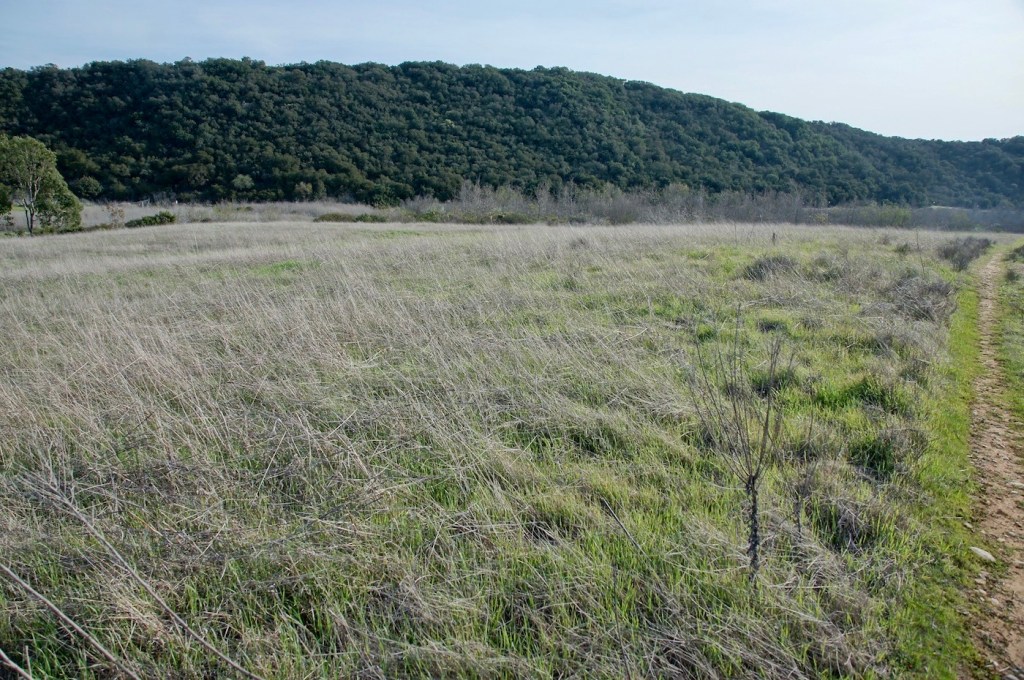
Before restoration: former agricultural fields are a wasteland of invasive species with little ecological value. By contrast, the dark hill in the background is covered in untouched native vegetation. 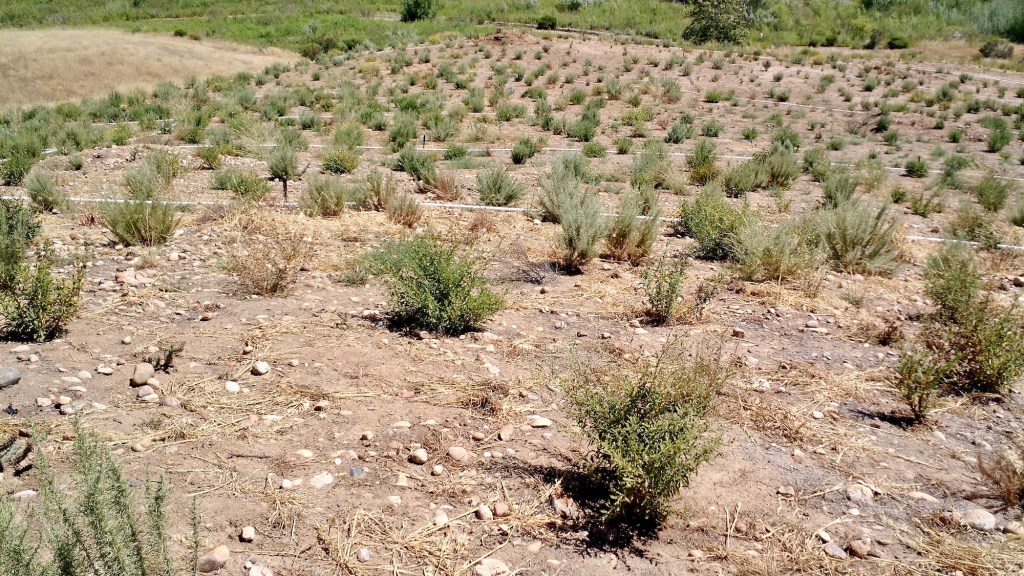
During restoration: we have cleared the site of invasive species, installed irrigation, and planted and seeded native species. 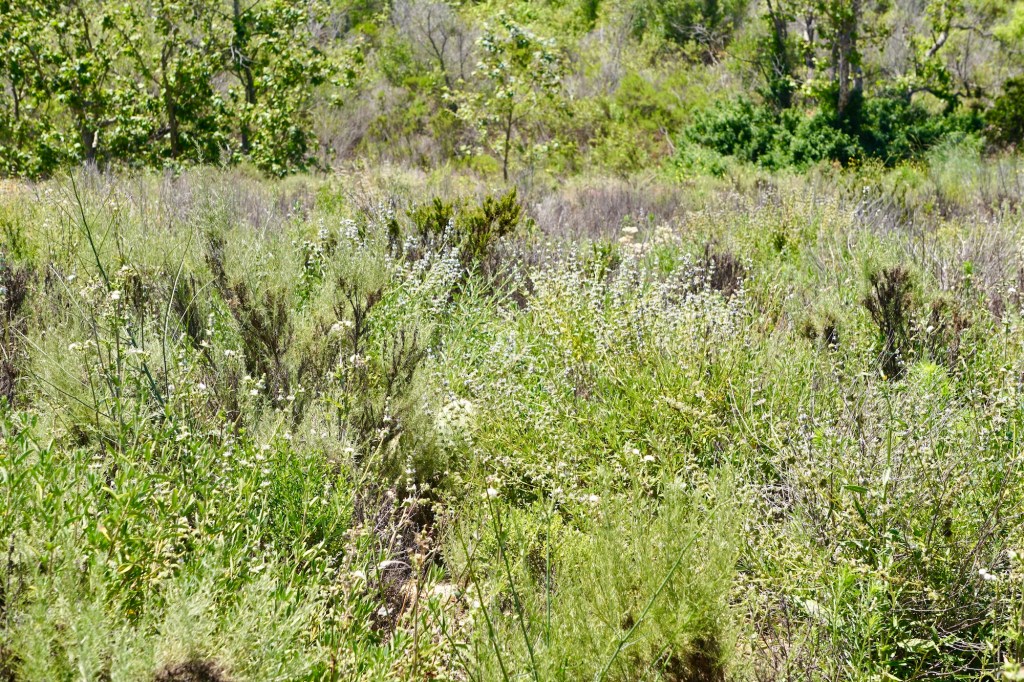
After restoration: this restored coastal sage scrub habitat natural to the area is now diverse and mature. Native shrubs, wildflowers and cacti are established and follow seasonal patterns, producing stunning blooms in the spring before becoming dormant in the hot, dry summer. Common and endangered wildlife species are seen using the site for shelter, food and to reproduce.
A note on resource agencies and policy:
Impacts to habitats and species are regulated by different governments and public resource agencies at various levels. Here are some examples of resource agencies that regulate the resources we restore:
At the federal level, the US Army Corps of Engineers; the US Fish and Wildlife Service, and the Environmental Protection Agency.
At the state level, the California Department of Fish and Game, and the California Coastal Commission.
At the local level, the San Diego Regional Water Quality Control Board, the County of San Diego, and the City of San Diego’s Multiple Species Conservation Program.
These agencies are charged with enforcing laws such as the National Environmental Protection Act, Endangered Species Act, the Clean Water Act, the California Environmental Quality Act and the California Fish and Game Code. It’s our job know these laws and have the biological and project management expertise to help our clients comply with them.
 Stars, like salt.
Thank you for compiling such a concise yet thorough explanation of restoration work from your perspective. I think it is important work that needs to be understood and valued.
LikeLike