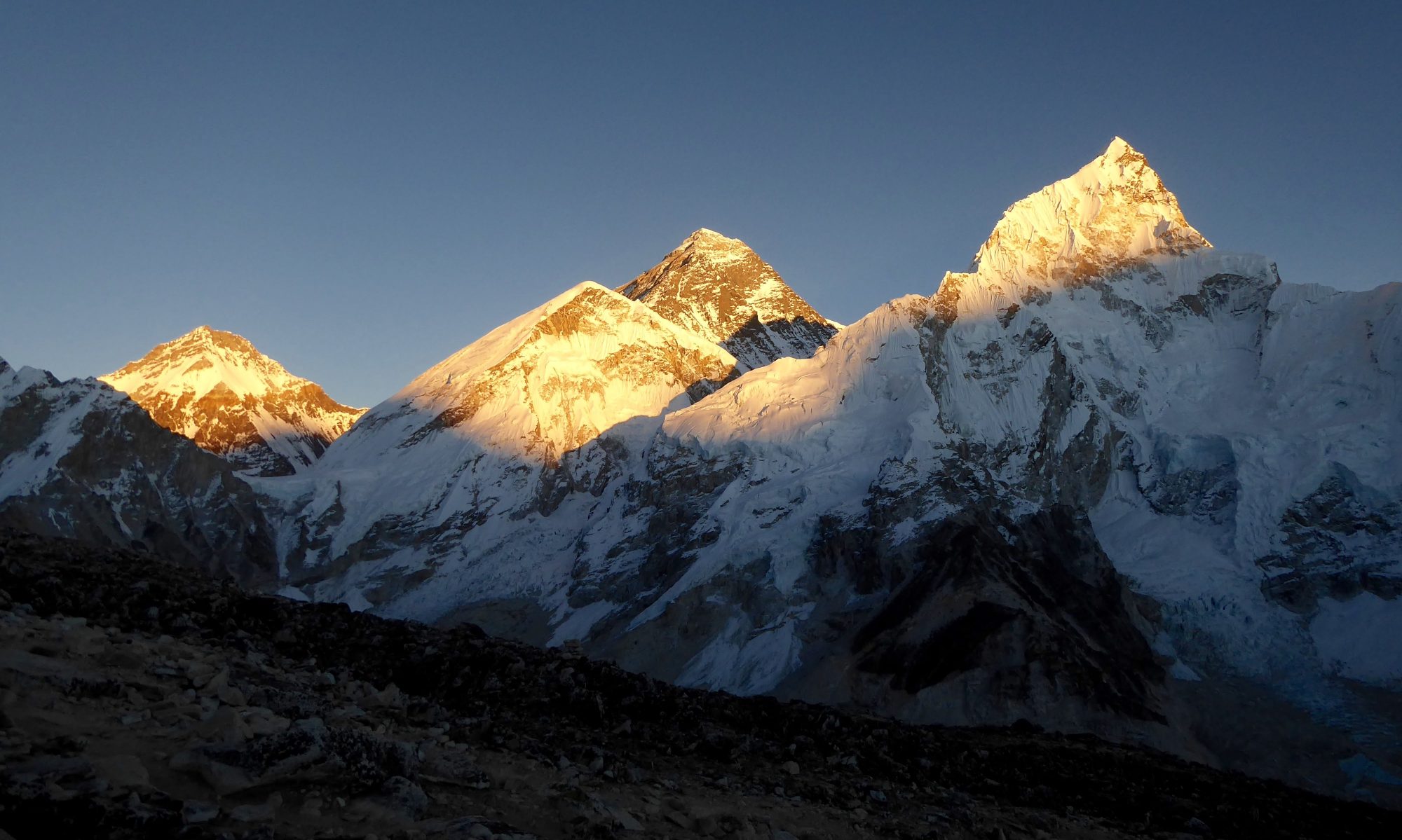
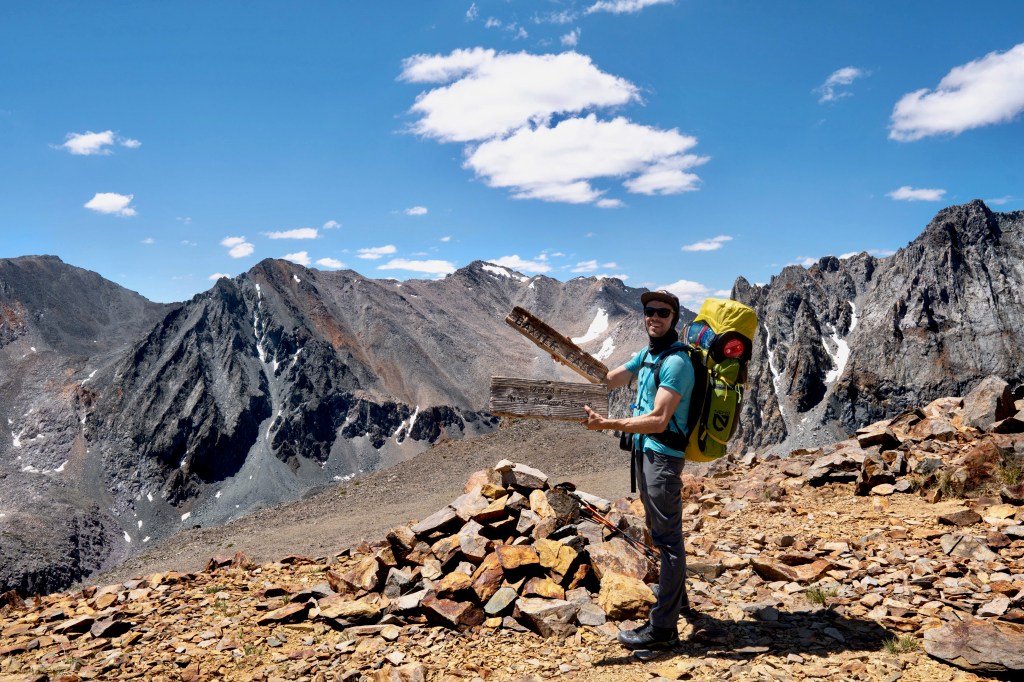
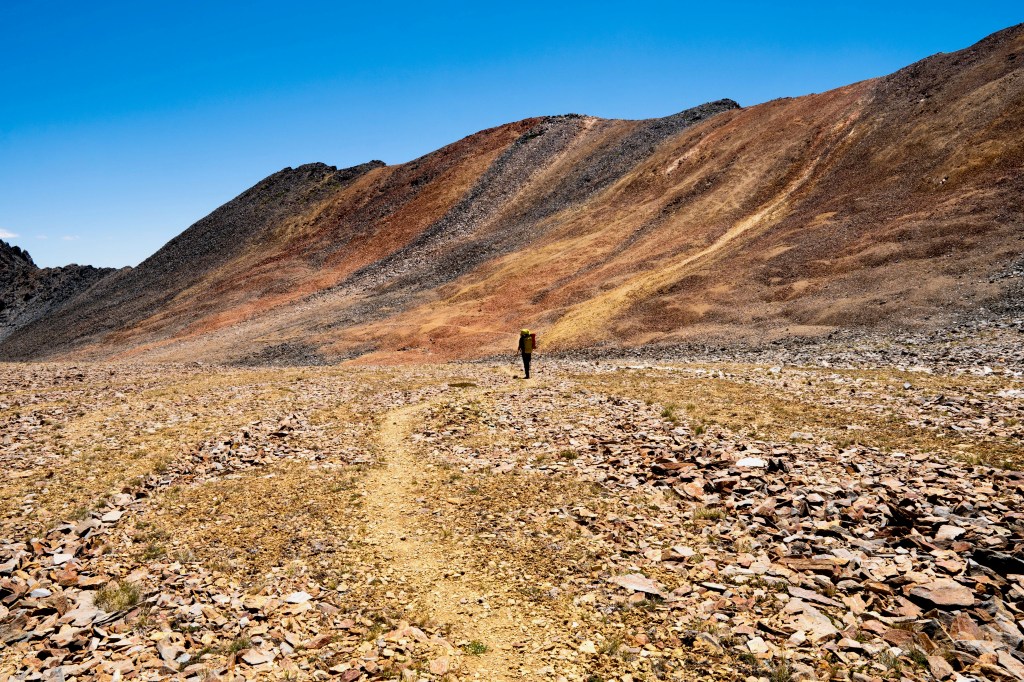
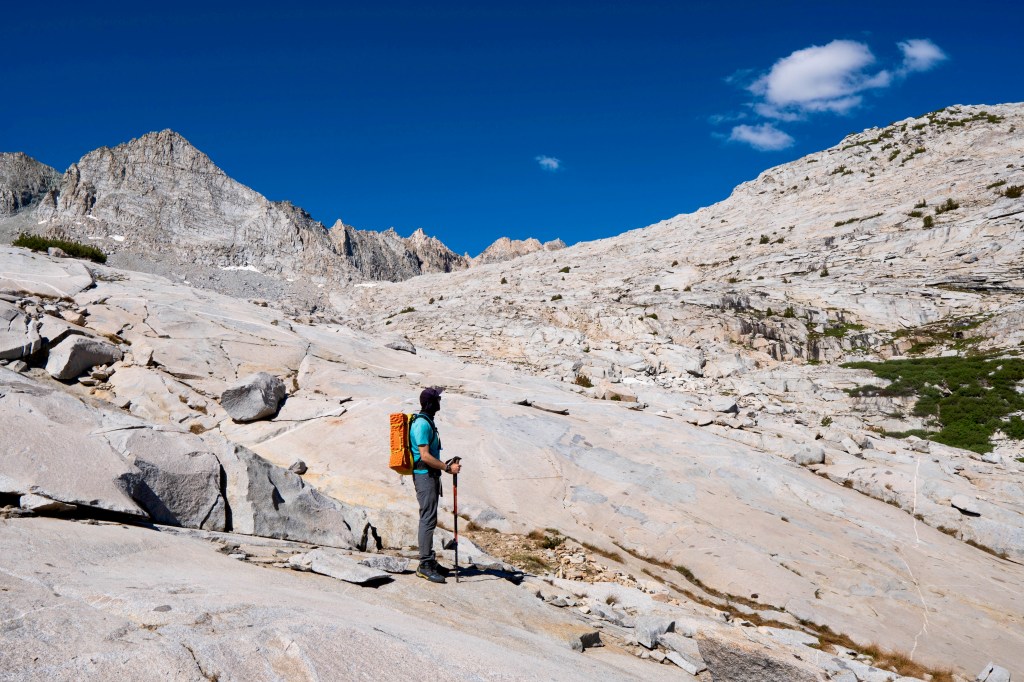
Our annual Sierra Nevada backpacking trip might be the only predictable part of our lives, yet we’re never proactive enough to score permits for the “good” trailheads. That’s how we found ourselves hiking over Baxter Pass in the last week of June, elevation 12,300-feet (3,749 meters), practically alone on the trail, managing headaches and nose bleeds.
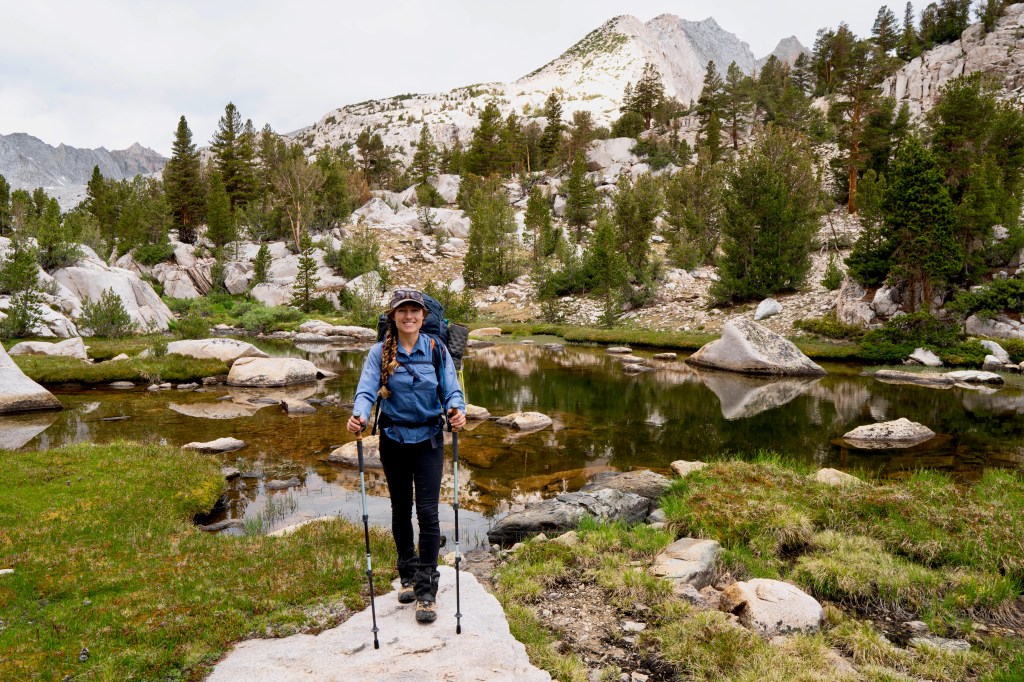
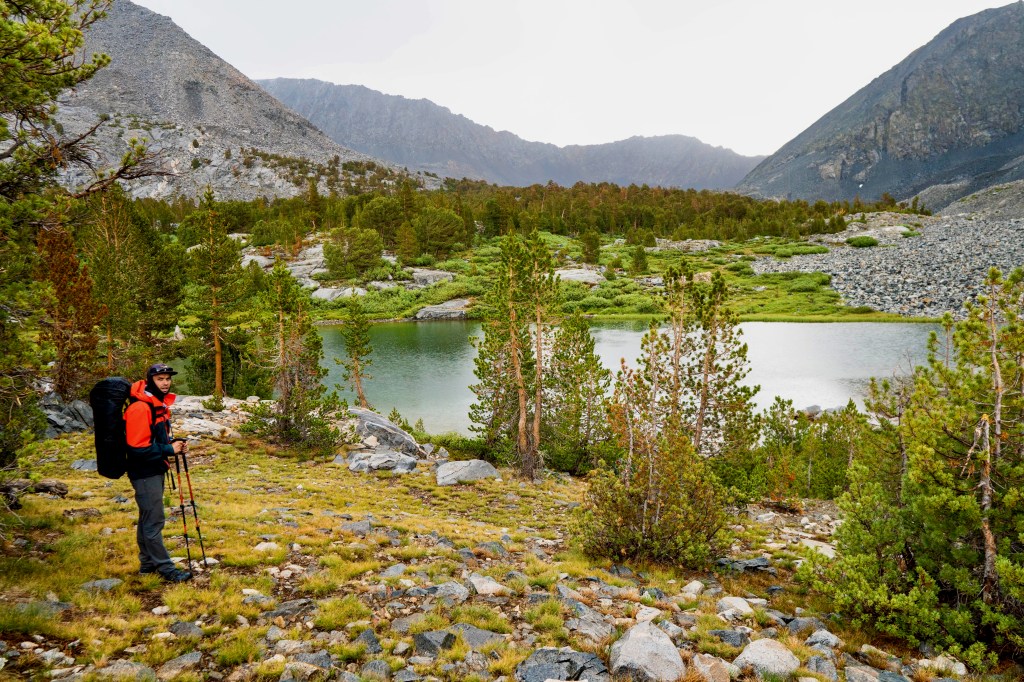
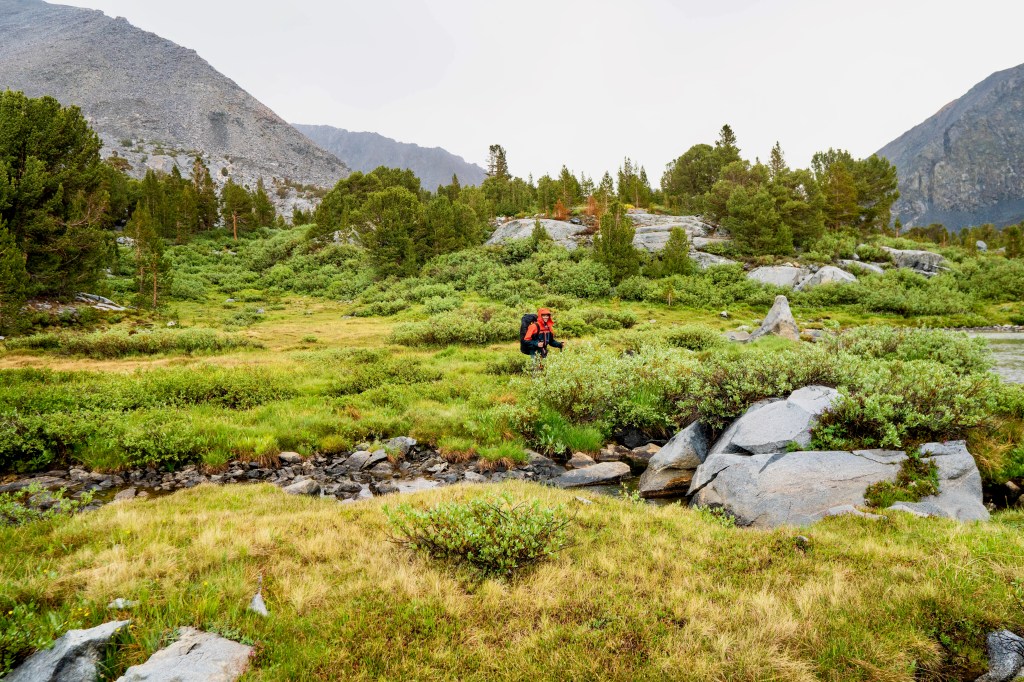
It was worth it. All five days of the trip felt like a walk through Eden; a benign world free of fear and evil. It’s warm at night but cool enough in the day. The creeks and meadows are flushed with wildflowers growing from spongey mosses. Water bubbles. Birds hop mere feet ahead of us along lakeshores. A deer appears among the trees and stands there, observing us. The food seems plentiful for the marmots, which are everywhere, and for the enormous hare that hops lazily through the forest. We find six bighorn resting in the sun.
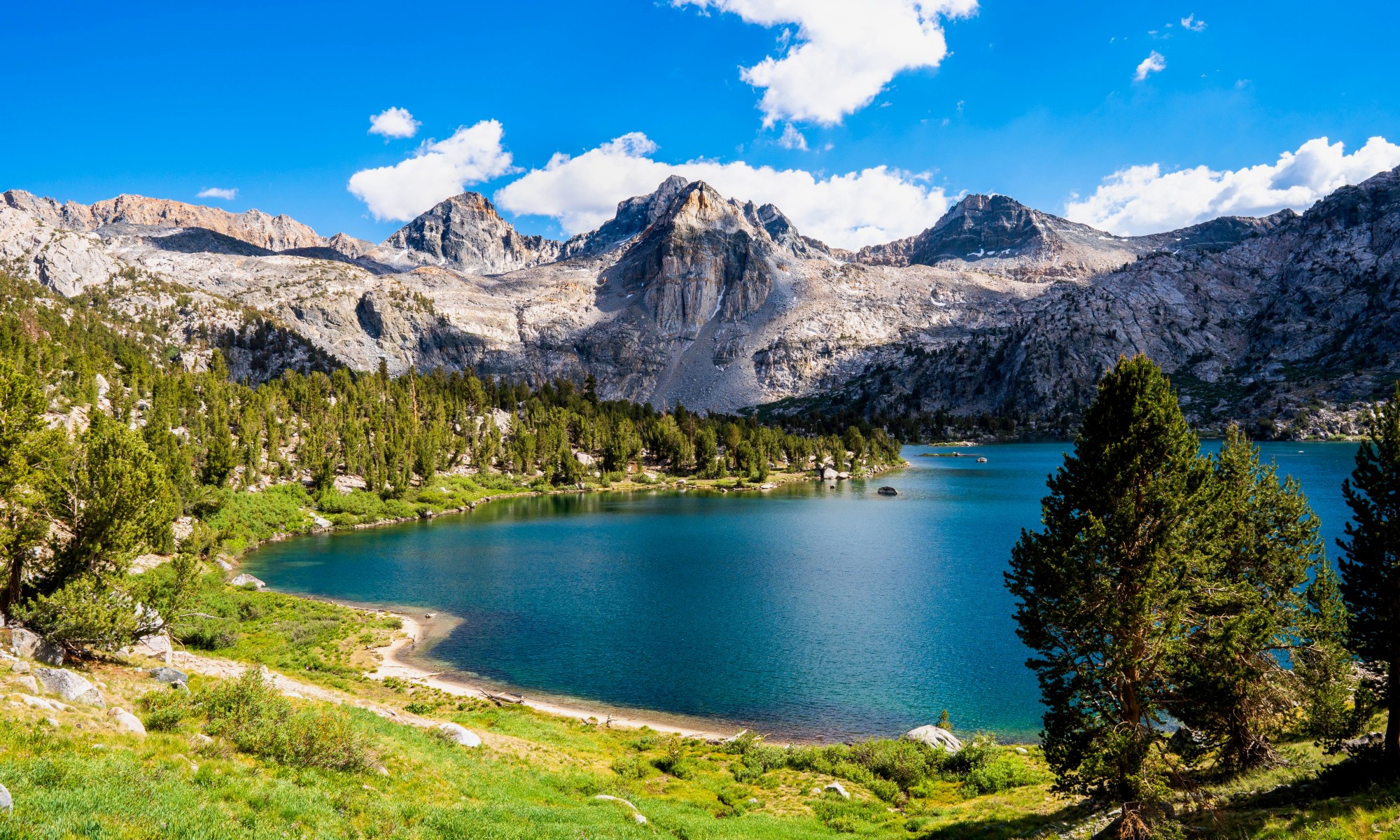
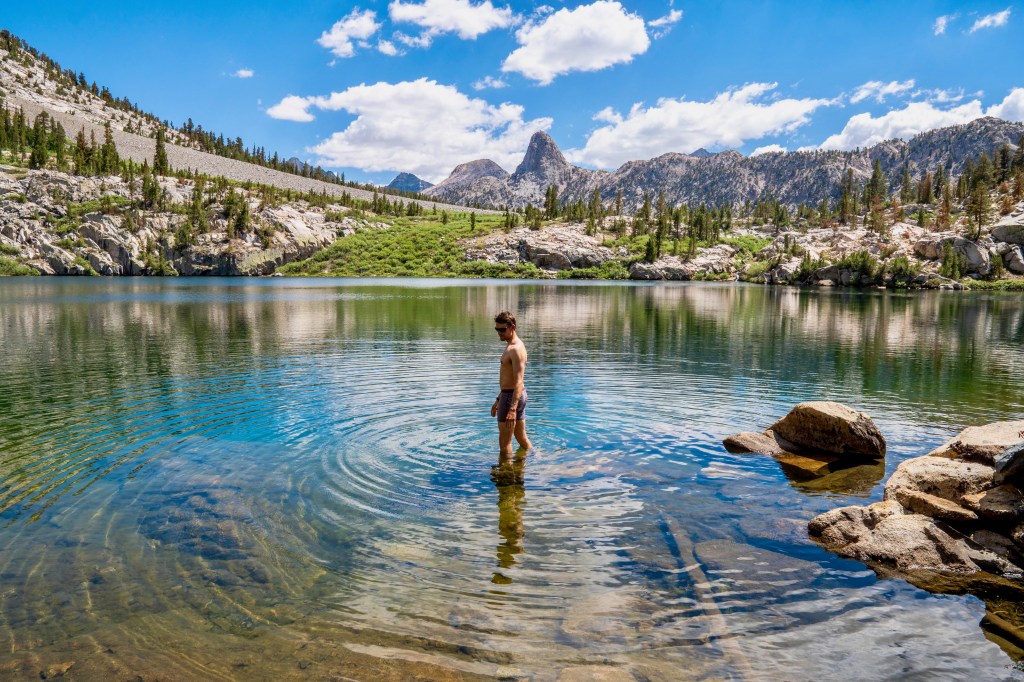
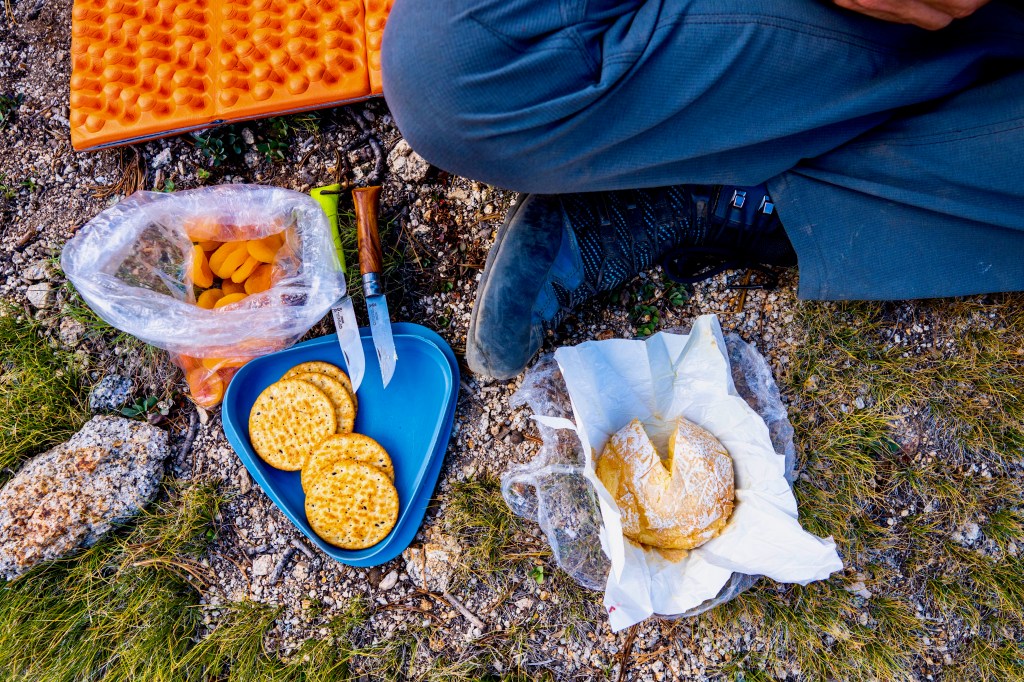
Eric’s intuition leads us down the valley from Baxter Lakes, west of the pass. There’s a faint trail that we keep finding and losing, unconcerned. It’s like slipping in and out of wakefulness. We arrive onto the eastern flank of an expansive valley containing the south fork of Woods Creek and the John Muir Trail-Pacific Crest Trail. We swim in Dollar Lake – it’s warm – and picnic near the famous Rae Lakes.
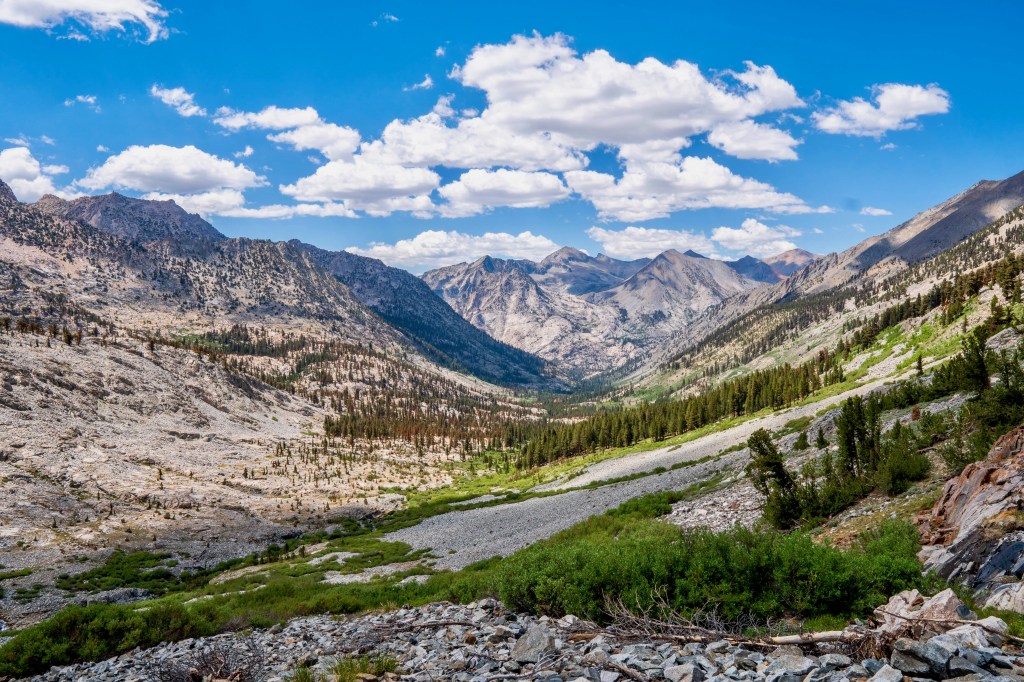
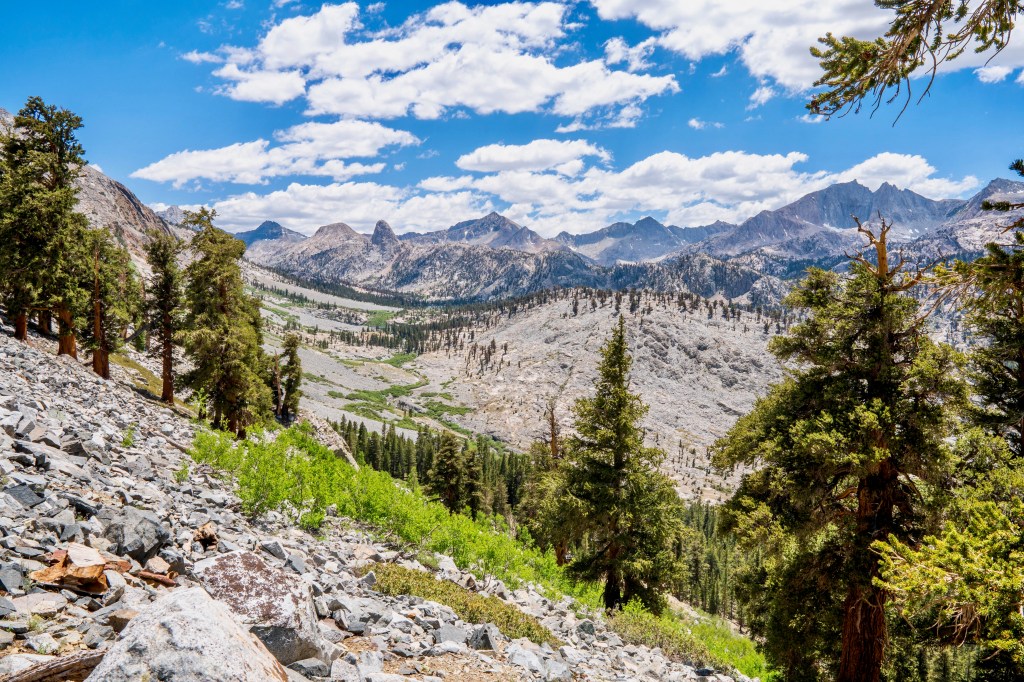
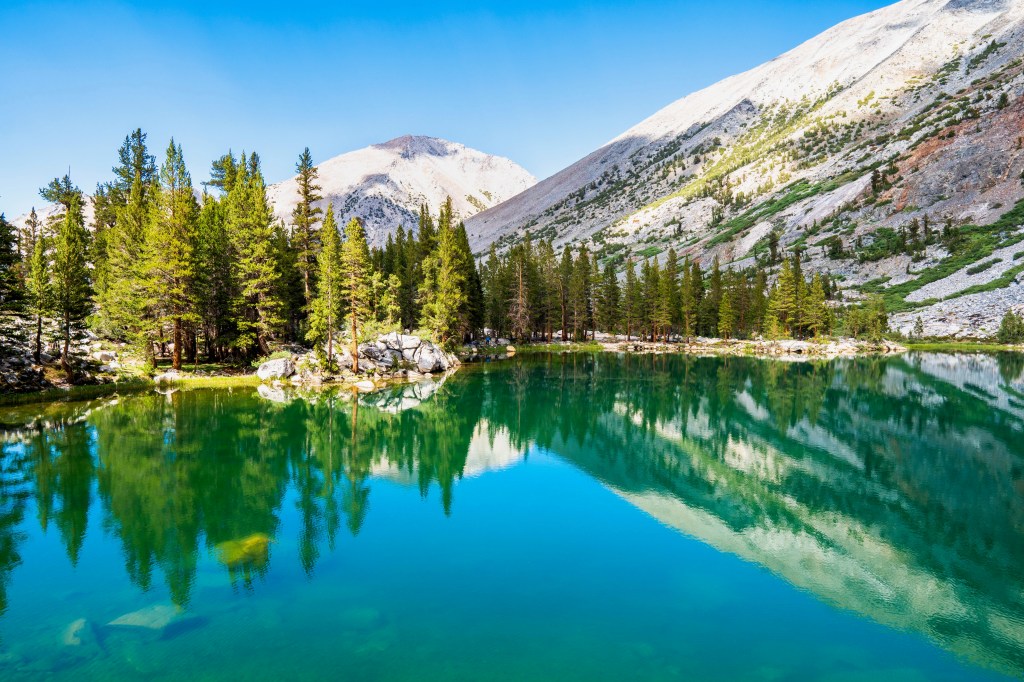
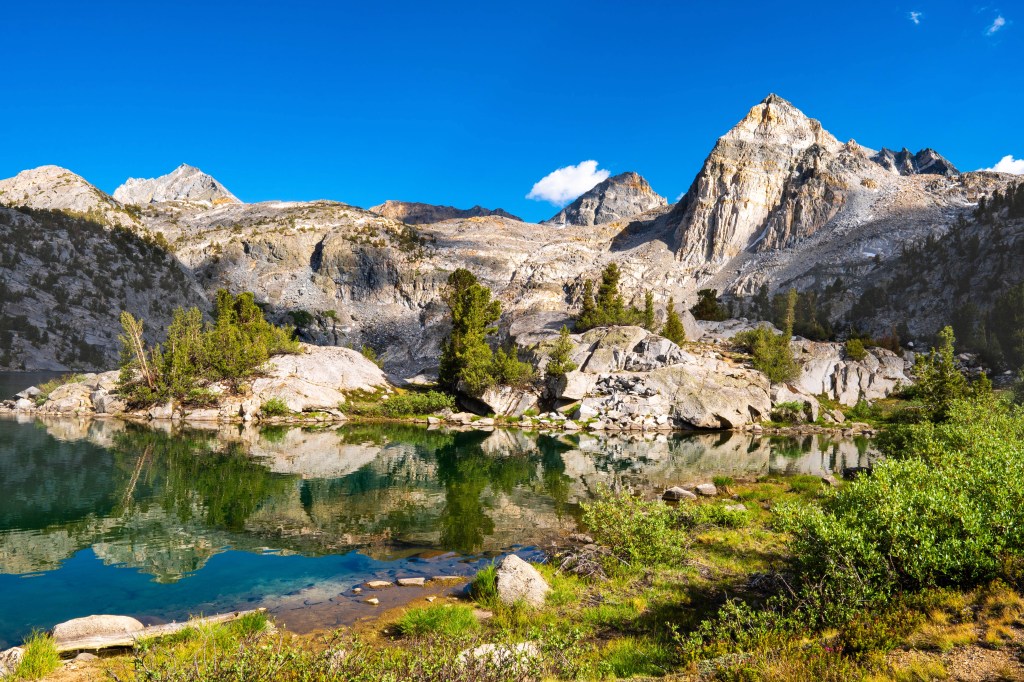
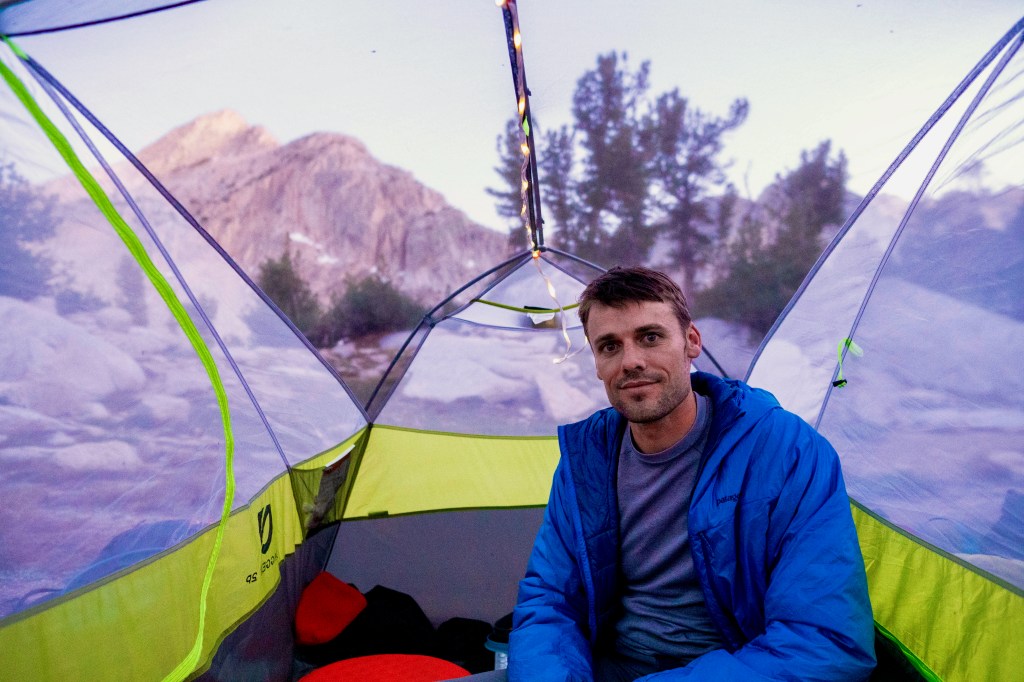
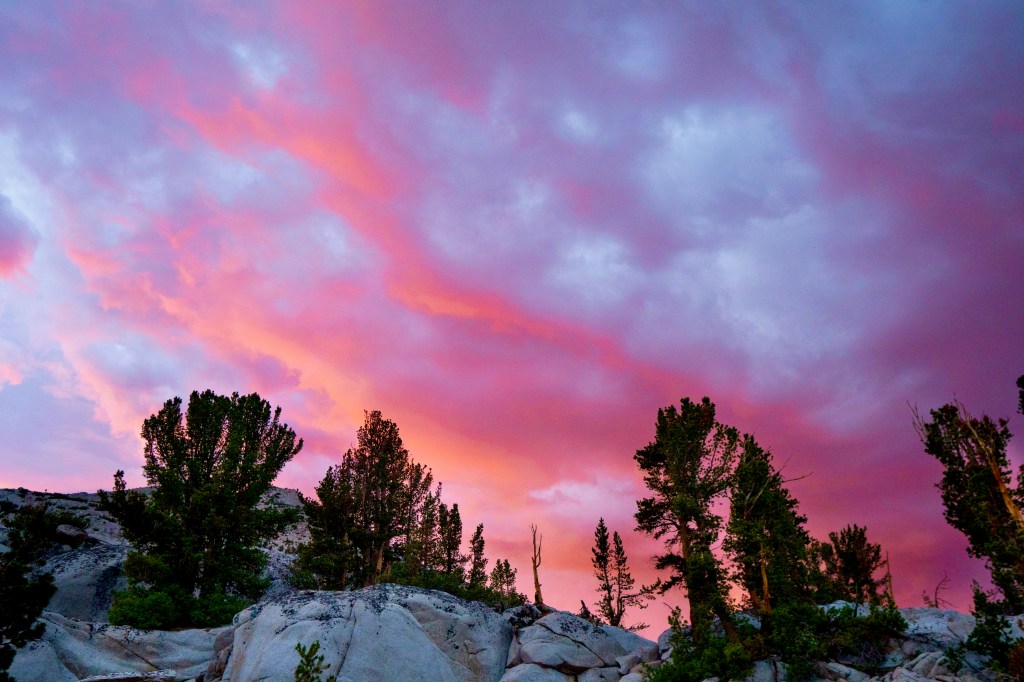
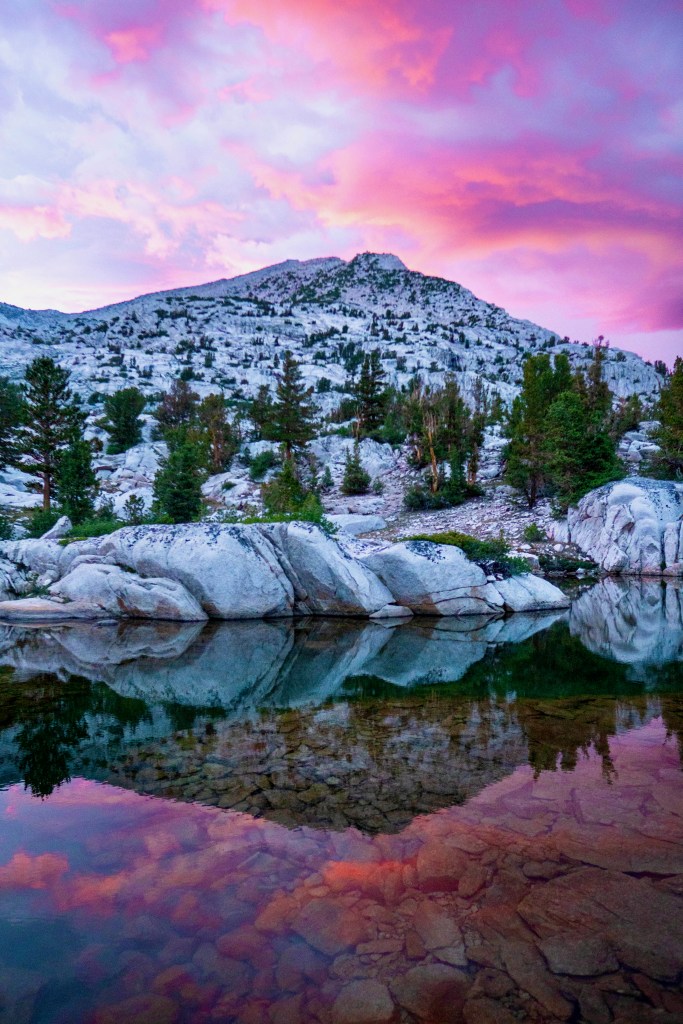
We stay two nights in Sixty Lake Basin. It’s minutes away from the Rae Lakes but we’re the only humans. The day closes. The mosquitoes chase us, Eric chases a pika, and I chase the sunset. Granite, clouds, and lake all become bubblegum. The colour is so enveloping, I can taste the nauseating sweetness in my mind.

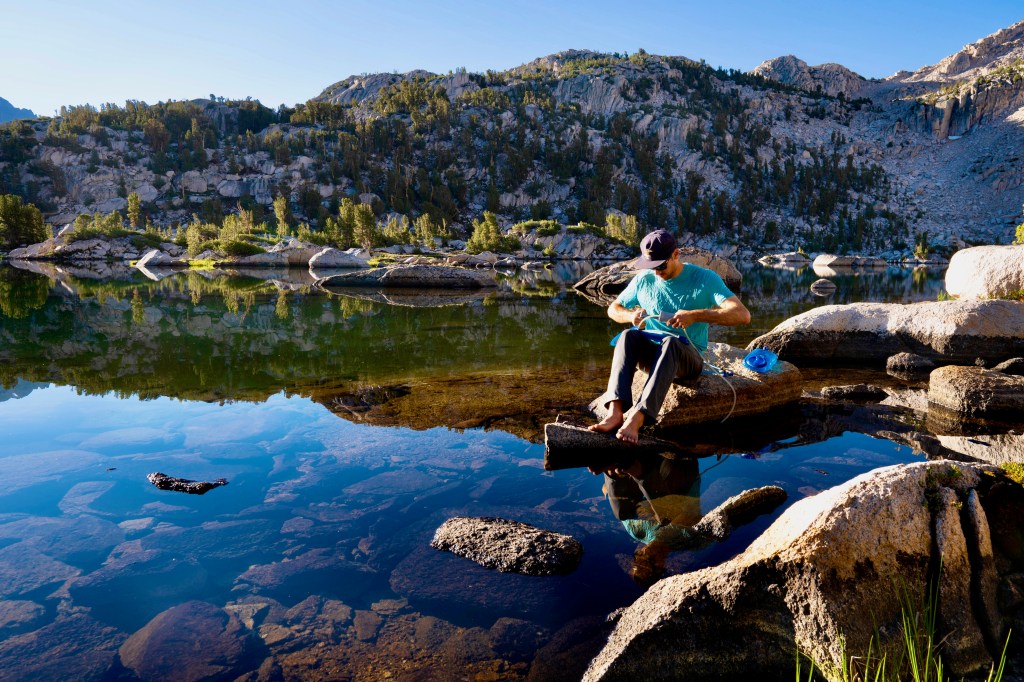

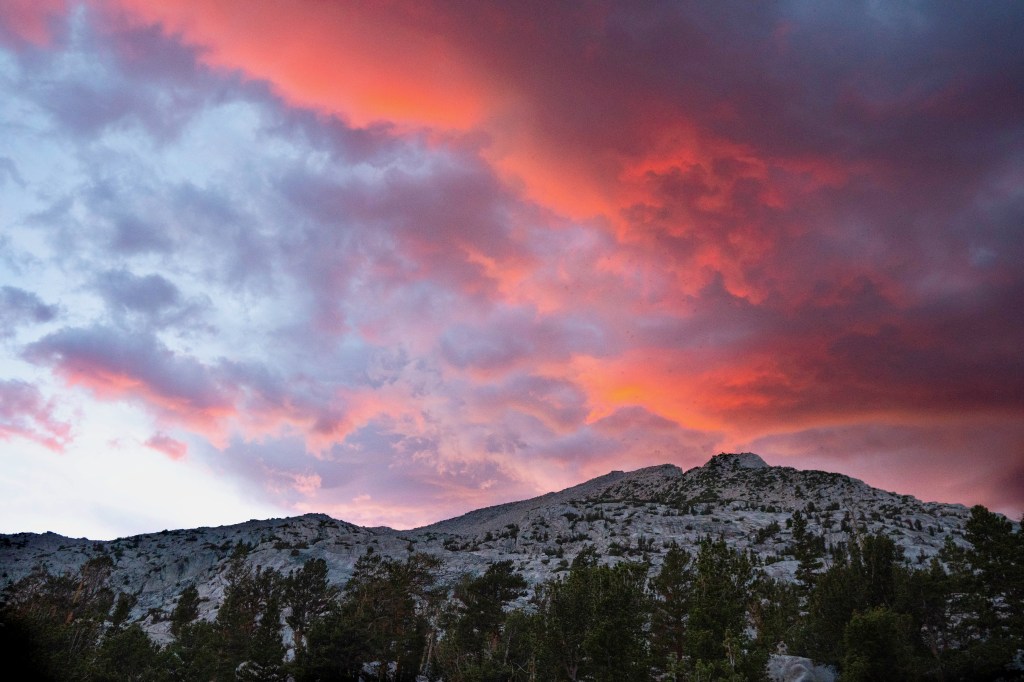
Next day: packs off. It’s an easy climb along a rocky ridge-line to a summit called Cotter Peak. We reach the ridge along staircasing slab. The Gardiner Lakes stretch west from the other side of the ridge with deep blue waters that turn silver under passing clouds. We scramble swiftly, briefly testing each rock for movement, our bodies flowing. It’s just enough exposure to set my mind in its happy place. I love remembering how small a hand hold can be to feel secure. We reach the top – almost. We stop a few feet short of the summit block; the last moves would be safer with a rope. I step to the edge of a flat boulder beneath the summit and find a void so wide I feel ill. I take it all in: massive granite bowls carved by glaciers long-gone, incredibly tall and impossibly vertical. The ice has carved an amphitheatre into every mountain.
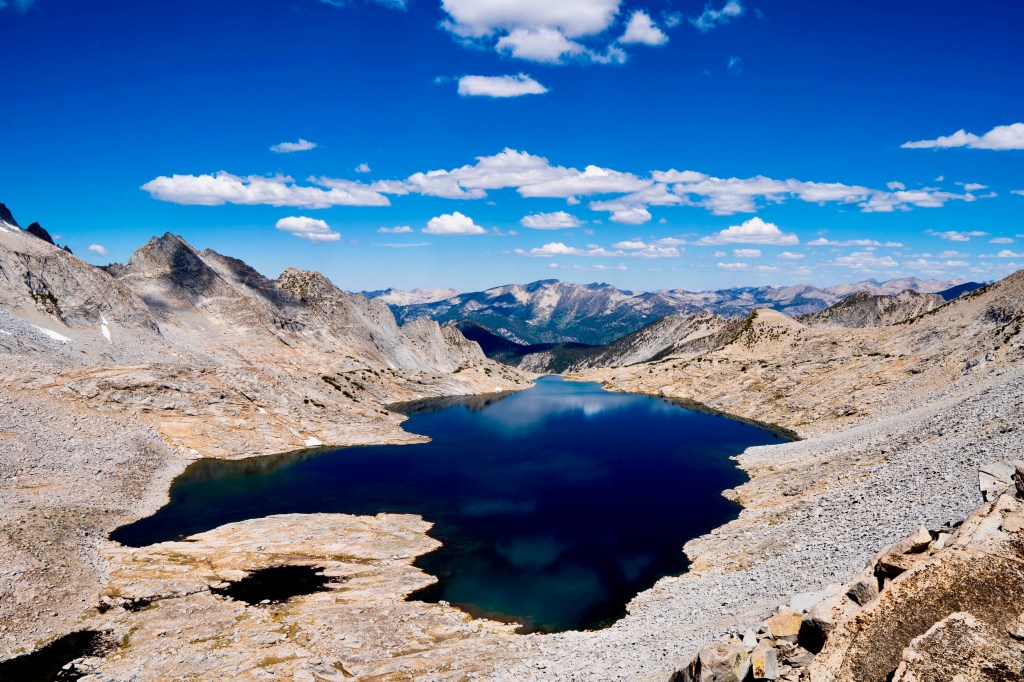

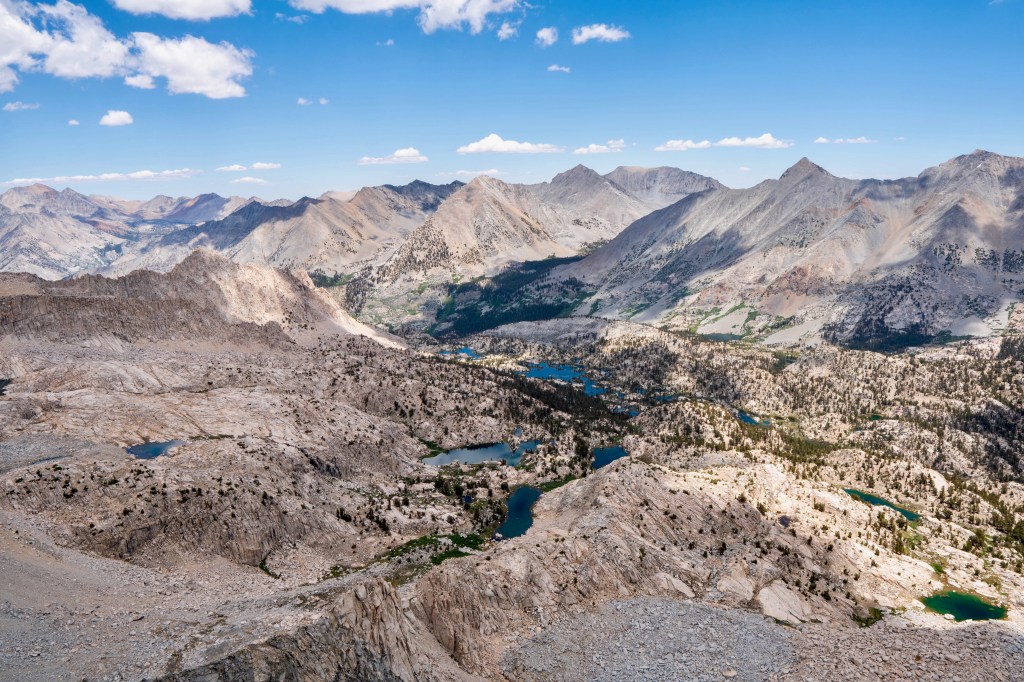
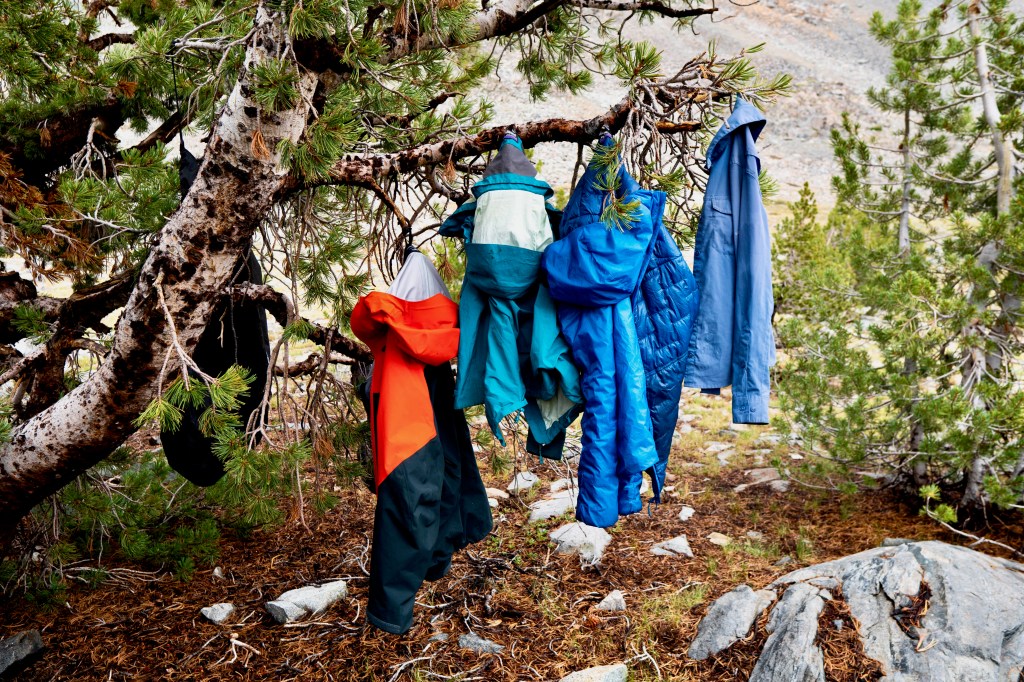
A storm rolls in on our fourth day as we begin to make our way out. Giant raindrops in the morning are our warning. Back at Dollar Lake, the wind picks up. A few minutes later, up the trail, I’ve become distracted by a garden – orchids, alliums, lilies and columbines – when the first explosion of thunder seems to cleave the mountain above us. We press on, crossing large boulder fields, aiming for the forested valley we had descended days before. Perhaps from years of hiking in the Alps on stormy summer afternoons, I feel cozy listening to thunder roll across ridge lines. The rain falls, perfuming the air already heavy with the smell of mint and other herbs and soil. As we enter the forest, we feel in our bodies more than we hear, between thunderclaps, the low, rhythmic booming of a male grouse.
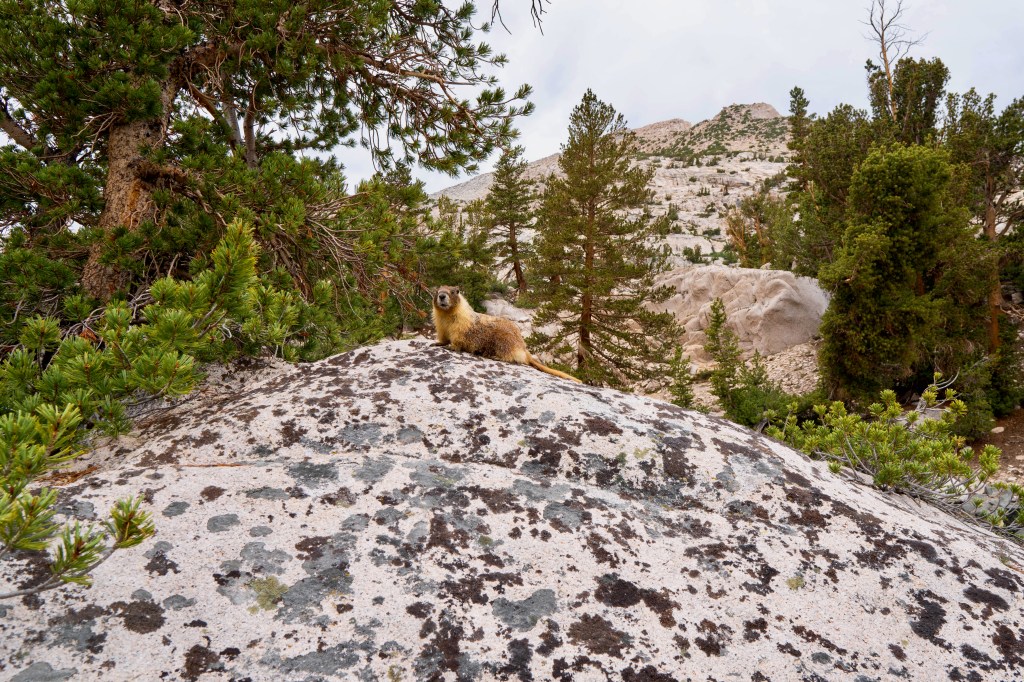


It’s the last day. To my relief, we see another pika just before the pass. I dread the day when climate change will have made those fluff balls into memories. Pikas need surprisingly cool temperatures for being so small. The warming climate is pushing their “cool zone” to higher elevations until one day nowhere will be high enough. I’m grateful for each one I see.
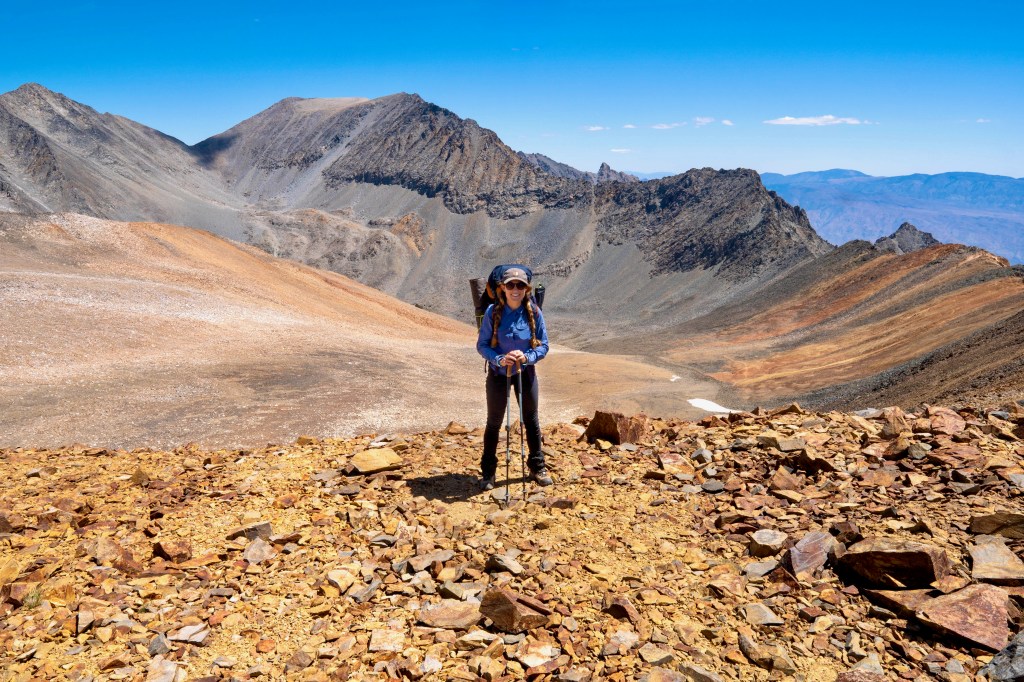
The transitional alpine-desert zone on the eastern side of Baxter Pass is bursting with life as we hike out. There’s buckwheat blooming yellow, wild rose, penstemon, mint, monkey flower and paintbrush. Dragonflies, butterflies and birds are everywhere. The valley is filled with green-tailed towhees, which were at the top of my dream birds list.
That’s it.
I’m excited for next year’s unpopular pass, altitude sickness, and bliss. And lastly, it wouldn’t be me writing if I didn’t end this piece with a bird list. Here’s everything we identified over five days:
- Green-tailed towhee (a first for both of us)
- Violet-green swallow
- Mountain bluebird (only our second)
- American robin
- Lazuli bunting (Eric’s first)
- Stellar’s jay
- Clark’s nutcracker
- Dark-eyed junco
- Mountain chickadee
- Cassin’s finch (our first)
- Grey-crowned rose finch (our first)
- Yellow-rumped warbler
- White-crowned sparrow
- Hermit thrush (our first)
- Sage sparrow
- Grouse (heard only)
- Turkey vulture
- Hummingbirds and a falcon not identified to species
 Stars, like salt.
Merci Katy de cette promenade dans vos échappées dans la Sierra nevada. Encore un monde que le « progrès » n’a pas atteint. Il en reste si peu! Profitez en et nous aussi.
Superbes photos et jolies descriptions qui révèlent une auteure talentueuse. J’aime et je vais faire suivre. BC
LikeLike
Thanks. We saw the west end of the path from Baxter Pass and wondered. Now we now and will plan a trip.
LikeLike
Hi Wes, so glad my post could be useful. Thanks for your comment!
LikeLike
Katy! I loved reading this. My dad (Wes) and I camped at Dollar Lake in June, looking up at the trail to Baxter Pass with curiosity. So special to have a window into it, now.
LikeLike
Sarah! It makes me so happy to think of you and your dad camping at Dollar Lake. What a special place. Let me know if you two ever make it up that Baxter Pass trail!
LikeLike